A decade without Salman Natour

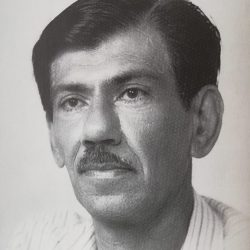
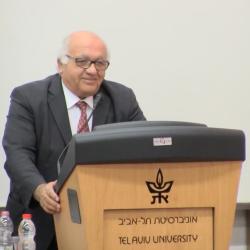
Marking ten years since his passing, we share the last lecture delivered by the writer and playwright Salman Natour, who was among the founders of the Maktoob series. He delivered these remarks at the conference ‘Ana Min Alyahud: On Jews, Mizrahiness, and the Arabic Language in Israel’ which was part of a broader project to promote the Arabic language in the academic sphere in Israel.

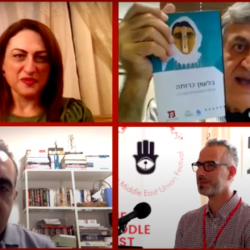
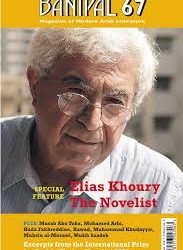
Elias Khoury and Yehouda Shenhav-Shahrabani on Literature and Translation

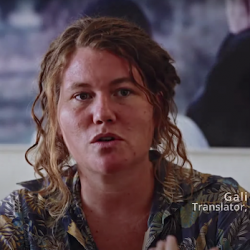
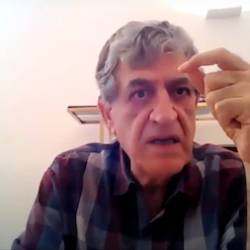
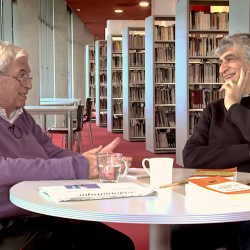
A conversation between Lebanese writer Elias Khoury and Yehouda Shenhav-Shahrabani, Maktoob’s editor-in-chief, who translated Khoury’s novels into Hebrew. The conversation took place at the Nantes Institute for Advanced Study in France on 12 March 2023; it offers a glimpse into their ongoing dialogue on literature and translation in colonial conflict zones.

Reading in Hebrew About Love in the Time of the Nakba

“Prominent Lebanese writer Elias Khoury’s literary prowess is on display in the Hebrew version of ‘As Though She Were Sleeping,’ about the relationship between a Palestinian man from Jaffa and a girl from Beirut in 1947”. A review by Sheren Falah Saab published at Haaretz newspaper.

Goodbye, Shimon Ballas: A Farewell to an Arab Jew

As an Iraqi Jew, Ballas never abandoned or stifled his native Arabic tongue..His commitment to Arabic and to Arab culture echoes in his literary body of work as he would reiterate time and time again. Prof. Yehouda Shenhav-Shahrabani writes about the late author Shimon Ballas.

TRANSLATION AS A DOUBLE-EDGED SWORD: COPYRIGHT, DIALOGUE, AND NORMALIZATION UNDER COLONIAL CONDITIONS

In this article, Dr. Huda Abu Much discusses the different approaches in the field of translation from Arabic to Hebrew, and compares between the orientalist approach that was dominant in Israel and the more recent approaches, in particular the one that was developed at Maktoob.

The Political Syntax of the Absentees

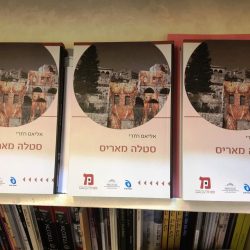
How can the absentees possibly write about a space and time from which they are removed? What happens to the first person narrator when they are stripped of their story that is then handed over to that illusive third person presence? Questions raised by Prof. Yehouda Shenhav Shahrabani at this afterward that he wrote to Elias Khoury’s novel “Stella Maris”.